3 Tools for Identifying Nature in Your Neighborhood
Get involved by sharing and mapping the birds, animals and nature around you to help the community understand the biodiversity in our neighborhood.
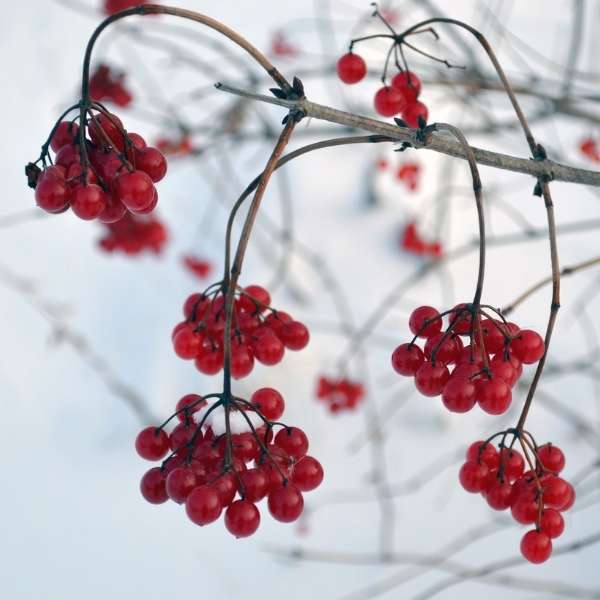
The high bush cranberry is actually not a cranberry at all, though its fruit strongly resemble cranberries in both appearance and taste. Considered a large and hardy deciduous shrub with a moderate growth rate of up to 3 ft. per year, the plant is typically 8 to 15 feet tall, with arching stems and a very dense, rounded form, making it a popular landscaping choice for use as a screening hedge. It is noted for attracting wildlife, especially birds which benefit from the fruit, which can remain on the branches well into mid winter.
Description from umaine.edu
Home > Plant Guide >
Scientific Name
Family
Garden Type
Wildlife
Native Plant Region
Light needs
Water Needs
Plant Type
Bloom Color(s)
Height
Width
Months in Bloom
Safe Beneath Power Lines?
We’d like to maintain accurate and robust plant listings. If you see information that is not correct or that could be added to improve the listing, please let us know. Or if you’d like to suggest a plant to add to our plant guide, you can use this form do so. Thank you!

Get involved by sharing and mapping the birds, animals and nature around you to help the community understand the biodiversity in our neighborhood.

Learn about the diversity in pigeon populations in the United States and the implications of this variability on the species.

The urban environment presents dangers to wildlife that they are not always adapted to overcome. Reducing urban hazards is an essential part of enhancing habitat in cities. After all, we do not want to lure wildlife into our neighborhoods only to have them fatally collide with our windows.

Gardeners can check out seeds for free from the library to plant. Then after harvest, gardeners bring seeds back to the library for others to enjoy in future growing seasons.
Three inspiring local food justice practitioners will share how their work in urban farming improves access to healthy foods, fosters relationships to land, and builds community.

The plants, animals, fungi, microbes, and other natural features that make up “urban habitat” are important to the character, function, and livability of cities.
Nature of Your Neighborhood is a collaboration between Birds Connect Seattle, the Capitol Hill EcoDistrict, and the Seattle Bird Conservation Partnership. Our goal is to foster relationships between the people and the nature of their neighborhoods.