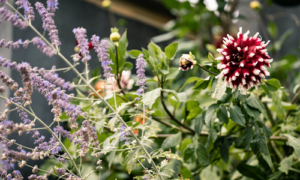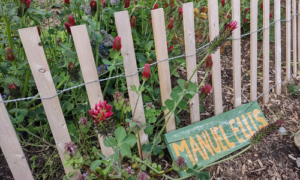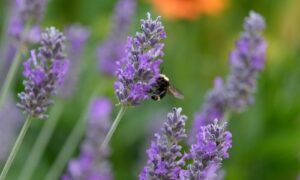

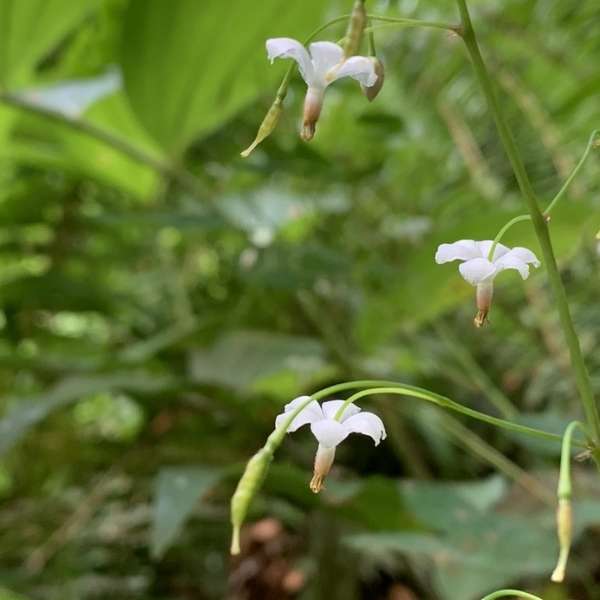
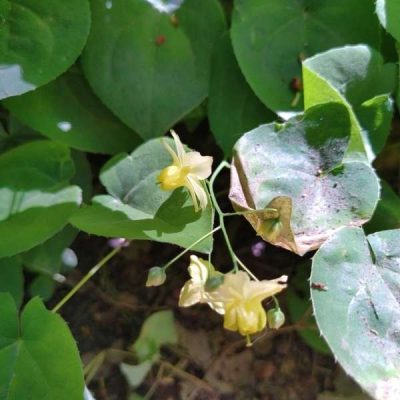
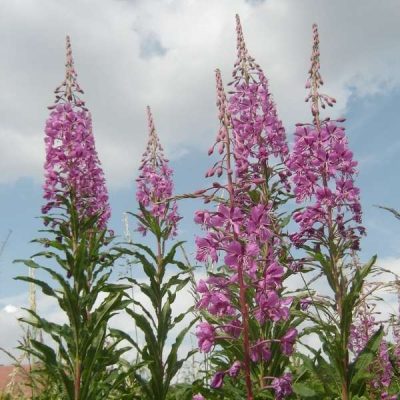
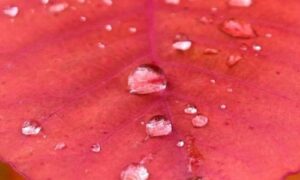
Vancouveria (Inside-Out Flowe) is delicately showy, and is best suited for a semi-shady, dappled light setting, in humus-rich soil and with a moderate amount of water. Though it often can be found in moist forests in our region, one of its virtues is that it is one of those rare plants that can grow well in drier shady spots in the garden. Spreading by underground rhizomes, it will easily fill a space and is best used to fill between taller, larger plants. Keeping it on the drier side will slow the pace of its spreading. Description from portlandnursery.com
Home > Plant Guide >
Scientific Name
Family
Garden Type
Wildlife
Native Plant Region
Light needs
Water Needs
Plant Type
Bloom Color(s)
Height
Width
Months in Bloom
Safe Beneath Power Lines?
We’d like to maintain accurate and robust plant listings. If you see information that is not correct or that could be added to improve the listing, please let us know. Or if you’d like to suggest a plant to add to our plant guide, you can use this form do so. Thank you!

Do you want to plant a tree, create butterfly habitat, or start a vegetable garden but don’t have a yard? Learn how planting strips are a great place to start your own garden!

Check out our list of local wildlife-supporting plant stores and nurseries, organizations, and community science opportunities.
Some introduced plant species can diminish biodiversity. Other plants produce poisons that can harm wildlife. Learn what plants to avoid when figuring out what to plant or remove in your outdoor space.

Take a virtual trip across Capitol Hill to learn about urban habitat types, how to identify the unique birds they support, and what we can do to make the neighborhood a safer place for them to live.

Protecting the trees and other vegetation that what we currently have is perhaps the most important way to ensure biodiversity in cities.

The urban environment presents dangers to wildlife that they are not always adapted to overcome. Reducing urban hazards is an essential part of enhancing habitat in cities. After all, we do not want to lure wildlife into our neighborhoods only to have them fatally collide with our windows.
Nature of Your Neighborhood is a collaboration between Birds Connect Seattle, the Capitol Hill EcoDistrict, and the Seattle Bird Conservation Partnership. Our goal is to foster relationships between the people and the nature of their neighborhoods.