
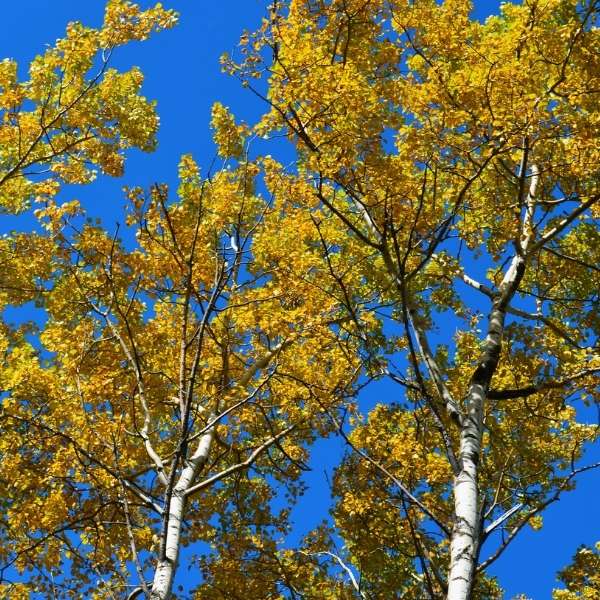
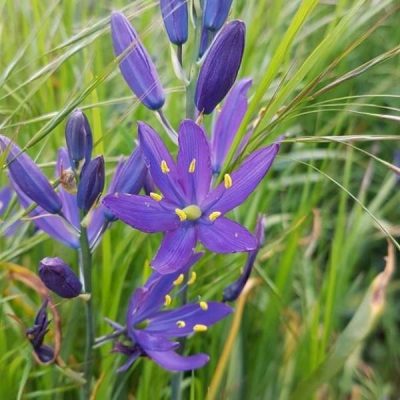
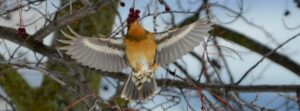
Quaking aspens, also called trembling aspens, are named for their leaves. Flat leaves attach to branches with lengthy stalks called petioles, which quake or tremble in light breezes. Quaking aspens regularly grow in dense, pure stands, creating a stunning golden vista when their leaves change color in the fall. The white bark is one identifying characteristic of this tree. Description from National Wildlife Federation
Home > Plant Guide >
Scientific Name
Family
Garden Type
Wildlife
Native Plant Region
Light needs
Water Needs
Plant Type
Bloom Color(s)
Height
Width
Months in Bloom
Safe Beneath Power Lines?
We’d like to maintain accurate and robust plant listings. If you see information that is not correct or that could be added to improve the listing, please let us know. Or if you’d like to suggest a plant to add to our plant guide, you can use this form do so. Thank you!

The urban environment presents dangers to wildlife that they are not always adapted to overcome. Reducing urban hazards is an essential part of enhancing habitat in cities. After all, we do not want to lure wildlife into our neighborhoods only to have them fatally collide with our windows.

Some introduced plant species can diminish biodiversity. Other plants produce poisons that can harm wildlife. Learn what plants to avoid when figuring out what to plant or remove in your outdoor space.

Three inspiring local food justice practitioners will share how their work in urban farming improves access to healthy foods, fosters relationships to land, and builds community.

Learn about container gardening with shrubs, trees, herbs, veggies, perennials, and annuals. A special focus will be on plantings that provide pollinators with food and that encourage bird habitat.
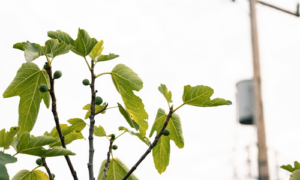
Seattle neighborhoods are full of wildlife and wild things. We’ve compiled a few exercises to help you slow down and appreciate the nature that surrounds you.

Do you wonder how a cat can be happy indoors? This presentation will give you a better understanding of cat behavior and the confidence that an indoor cat can be a happy cat.
Nature of Your Neighborhood is a collaboration between Birds Connect Seattle, the Capitol Hill EcoDistrict, and the Seattle Bird Conservation Partnership. Our goal is to foster relationships between the people and the nature of their neighborhoods.