
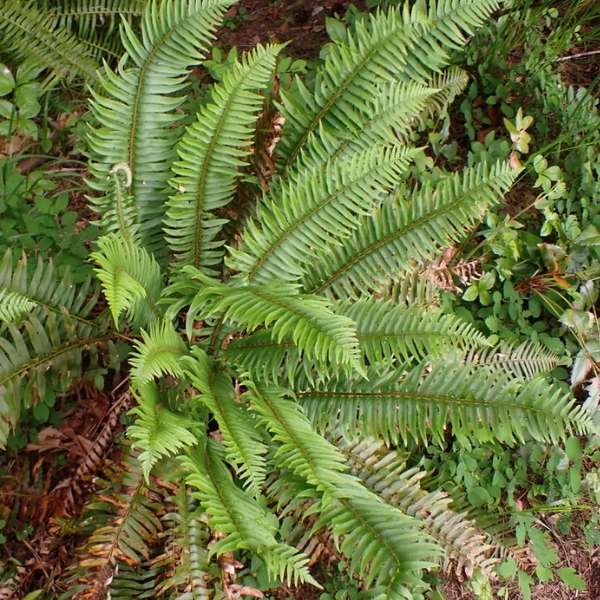
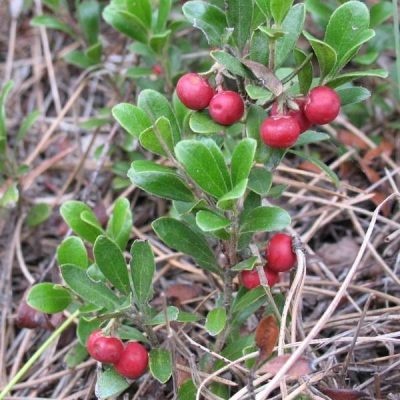
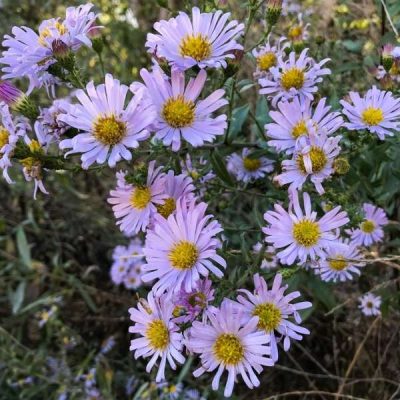
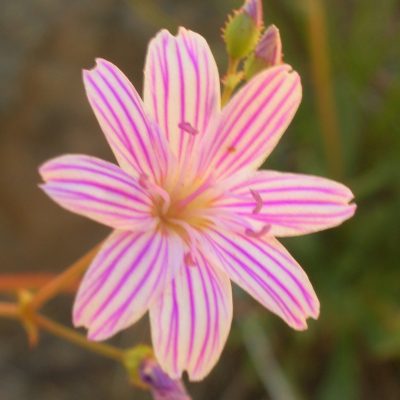
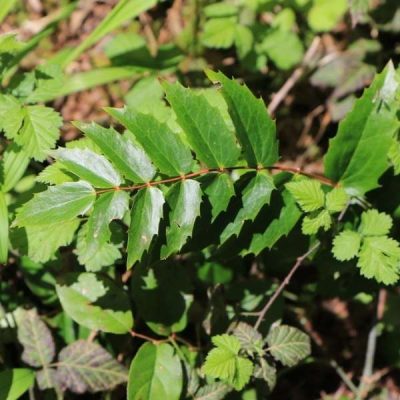
One of the most robust and reliable, this hardy native male fern offers superb texture with glossy, leathery, toothed, dark green foliage. Vigorous evergreen clumps are formed by many long fronds; up to four feet long in cool, shady sites. Keeps up appearances even in warm, arid climates, though plants will be more compact.
Description from Monrovia
Home > Plant Guide >
Scientific Name
Family
Garden Type
Wildlife
Native Plant Region
Light needs
Water Needs
Plant Type
Bloom Color(s)
Height
Width
Months in Bloom
Safe Beneath Power Lines?
We’d like to maintain accurate and robust plant listings. If you see information that is not correct or that could be added to improve the listing, please let us know. Or if you’d like to suggest a plant to add to our plant guide, you can use this form do so. Thank you!

Gardeners can check out seeds for free from the library to plant. Then after harvest, gardeners bring seeds back to the library for others to enjoy in future growing seasons.
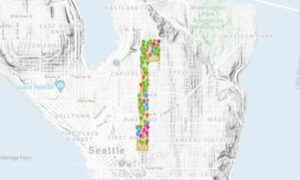
Get involved by sharing and mapping the birds, animals and nature around you to help the community understand the biodiversity in our neighborhood.
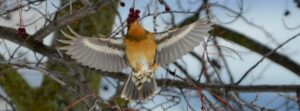
Take a virtual trip across Capitol Hill to learn about urban habitat types, how to identify the unique birds they support, and what we can do to make the neighborhood a safer place for them to live.
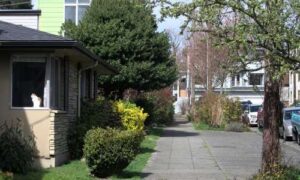
Do you wonder how a cat can be happy indoors? This presentation will give you a better understanding of cat behavior and the confidence that an indoor cat can be a happy cat.
Learn about the diversity in pigeon populations in the United States and the implications of this variability on the species.

Learn about diversifying the way architecture is taught and practiced from designers of color.

Nature of Your Neighborhood is a collaboration between Birds Connect Seattle, the Capitol Hill EcoDistrict, and the Seattle Bird Conservation Partnership. Our goal is to foster relationships between the people and the nature of their neighborhoods.