
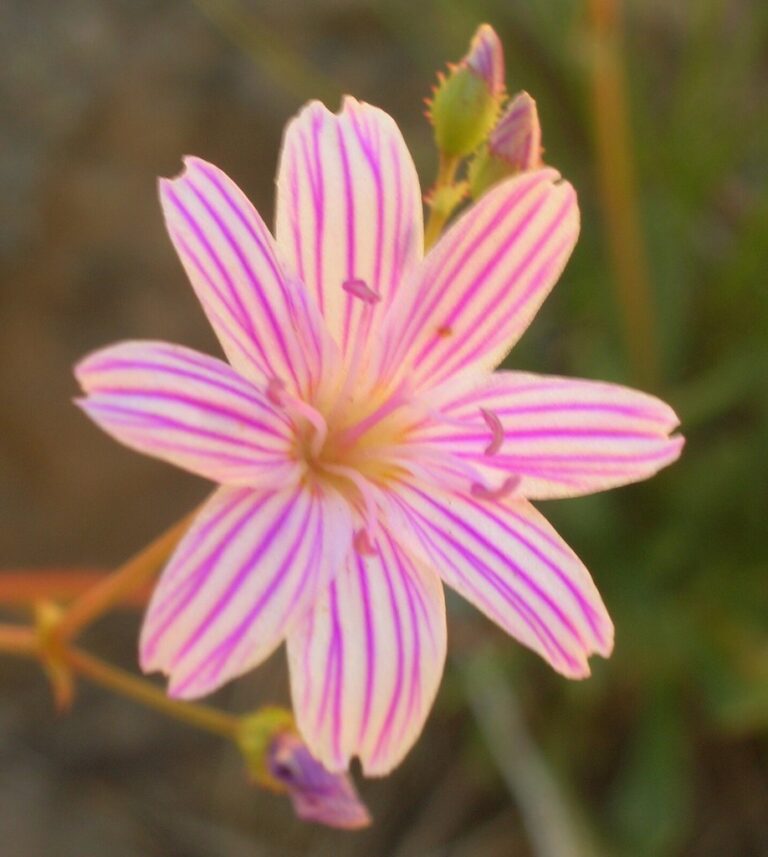
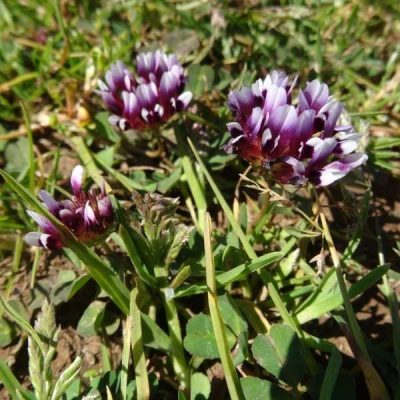
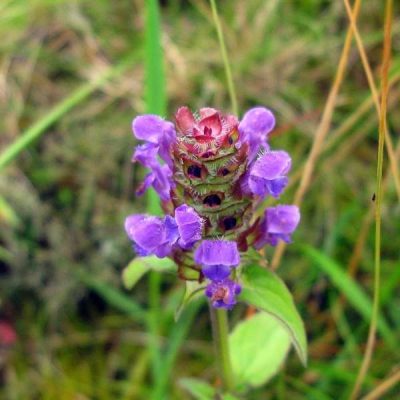
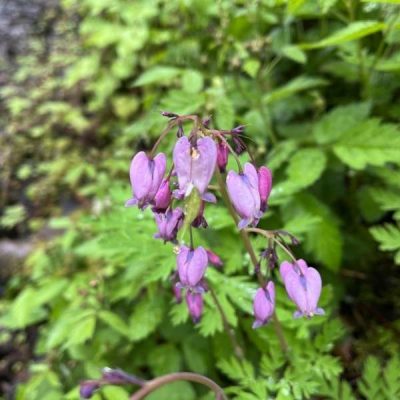
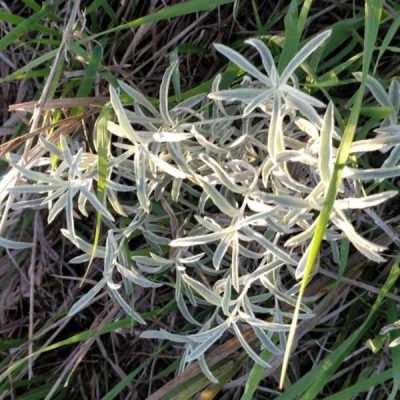
Columbia Lewisia is an attractive wildflower which may be used in the rock garden. It is a succulent perennial with a thick, well branched, fleshy root with numerous leaves at its base. Flowers can be white with pink venation to magenta-rose. It is best suited for dry conditions, but can survive for several years in west side gardens if given sufficient ventilation or provided with cover to protect it from the rain.
Home > Plant Guide >
Scientific Name
Family
Garden Type
Wildlife
Native Plant Region
Light needs
Water Needs
Plant Type
Bloom Color(s)
Height
Width
Months in Bloom
Safe Beneath Power Lines?
We’d like to maintain accurate and robust plant listings. If you see information that is not correct or that could be added to improve the listing, please let us know. Or if you’d like to suggest a plant to add to our plant guide, you can use this form do so. Thank you!

Take a virtual trip across Capitol Hill to learn about urban habitat types, how to identify the unique birds they support, and what we can do to make the neighborhood a safer place for them to live.

Despite the urban character and the high population density, a surprising diversity of life exists in Capitol Hill. Explore a few physical aspects of our urban ecosystems and meet some of its more-than-human residents.

This workshop will guide you through the process and materials needed to help you decide if Mason Bees are right for you and your garden, whether you have a small deck or an open garden.

Learn about diversifying the way architecture is taught and practiced from designers of color.
Seattle neighborhoods are full of wildlife and wild things. We’ve compiled a few exercises to help you slow down and appreciate the nature that surrounds you.

New types of vegetation can attract additional wildlife to an area. You might be surprised how a little green can go a long way!
Nature of Your Neighborhood is a collaboration between Birds Connect Seattle, the Capitol Hill EcoDistrict, and the Seattle Bird Conservation Partnership. Our goal is to foster relationships between the people and the nature of their neighborhoods.