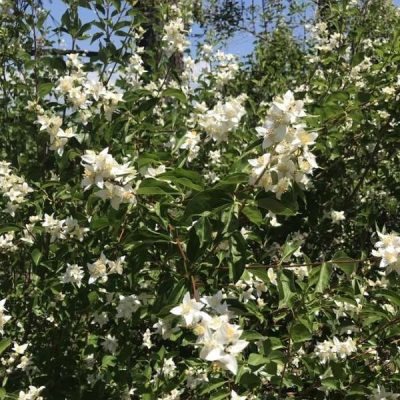

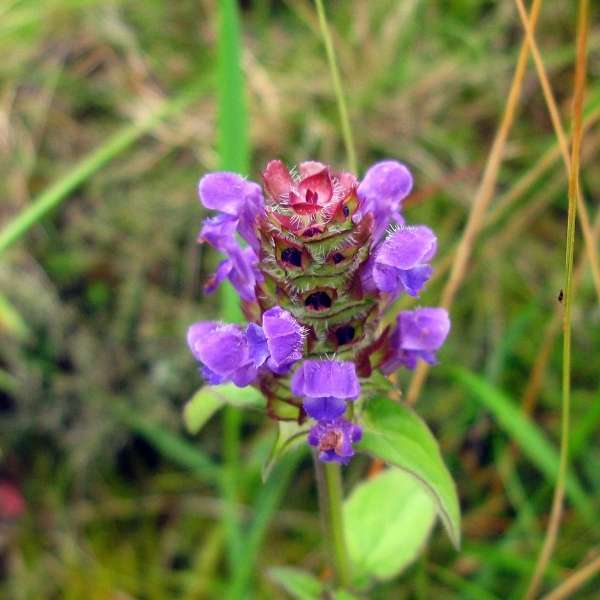
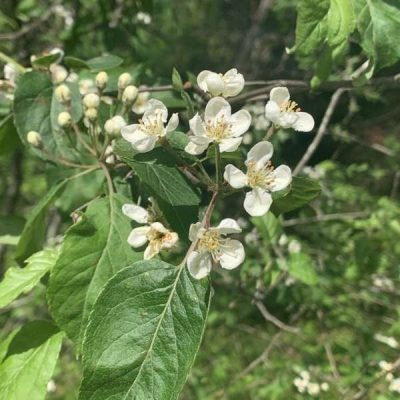
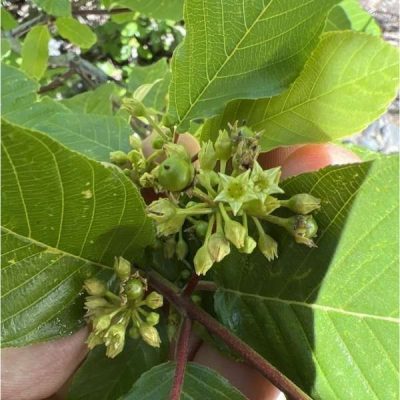
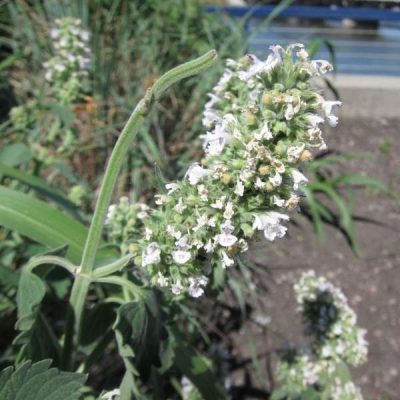
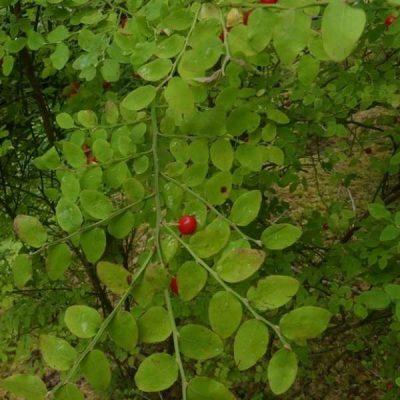
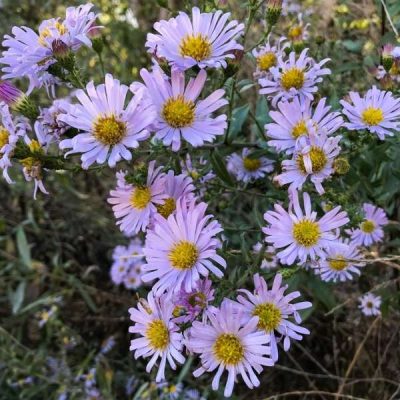
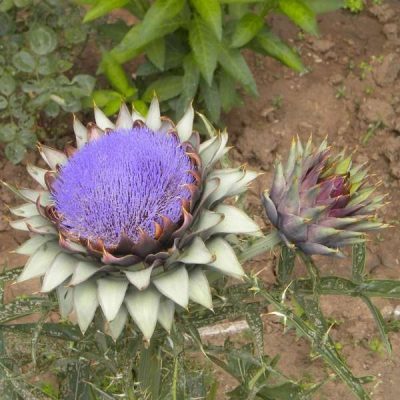
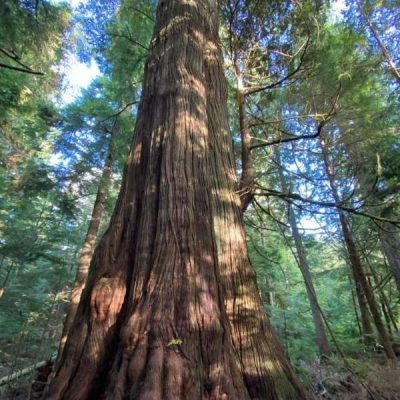
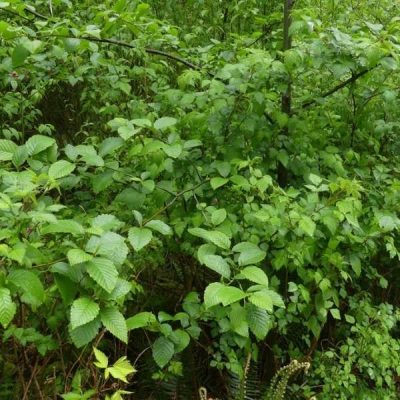
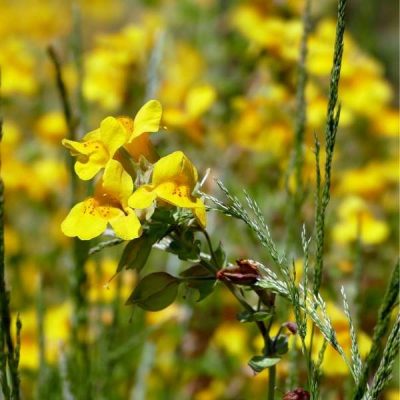
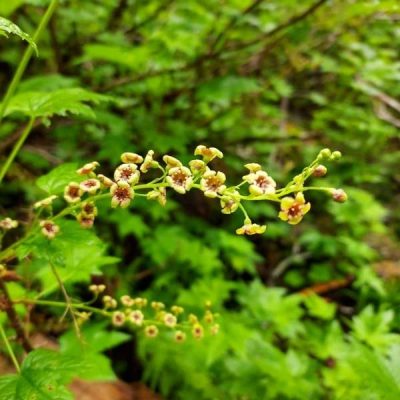
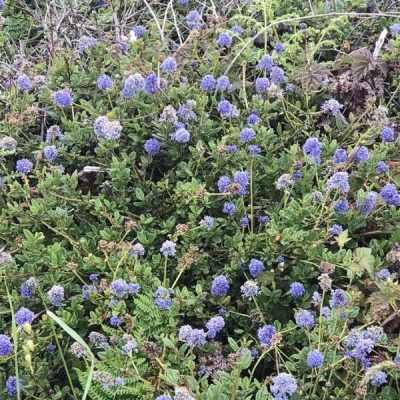
Prunella vulgaris plant is commonly known as the self heal herb. It has been used medicinally for centuries. The entire plant is edible, and can be used both internally and externally to treat a number of health complaints and wounds. Depending on the region grown, prunella blooms from June through August with lavender or white flowers. This easy-care plant is adaptable enough to grow nearly anywhere, prunella performs best on woodland edges and meadows. They require cool to mild temperatures and sun to partial shade. Prunella is related to mint and prone to vigorous spreading, some form of containment (such as bottomless pots) may be necessary in flower beds or borders. Mature plants reach about 1 to 2 feet high (31-61 cm.), at which time they will fall over and attach new roots to the ground. Description from Gardening Know How
Home > Plant Guide >
Scientific Name
Family
Garden Type
Wildlife
Native Plant Region
Light needs
Water Needs
Plant Type
Bloom Color(s)
Height
Width
Months in Bloom
Safe Beneath Power Lines?
We’d like to maintain accurate and robust plant listings. If you see information that is not correct or that could be added to improve the listing, please let us know. Or if you’d like to suggest a plant to add to our plant guide, you can use this form do so. Thank you!

Do you want to plant a tree, create butterfly habitat, or start a vegetable garden but don’t have a yard? Learn how planting strips are a great place to start your own garden!

Gardeners can check out seeds for free from the library to plant. Then after harvest, gardeners bring seeds back to the library for others to enjoy in future growing seasons.

Look closer…and meet the local insects that pollinate the plants around your Seattle neighborhoods. Learn about some of our amazing native pollinating insects.

The urban environment presents dangers to wildlife that they are not always adapted to overcome. Reducing urban hazards is an essential part of enhancing habitat in cities. After all, we do not want to lure wildlife into our neighborhoods only to have them fatally collide with our windows.

Start a garden in a planting strip along the street. Explore our interactive corridor map, find what to grow, and start nurturing today.
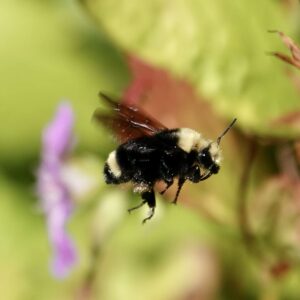
The plants, animals, fungi, microbes, and other natural features that make up “urban habitat” are important to the character, function, and livability of cities.
Nature of Your Neighborhood is a collaboration between Birds Connect Seattle, the Capitol Hill EcoDistrict, and the Seattle Bird Conservation Partnership. Our goal is to foster relationships between the people and the nature of their neighborhoods.