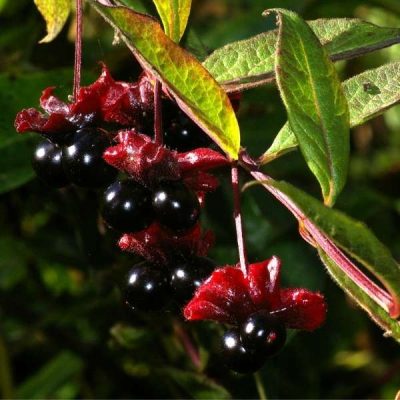

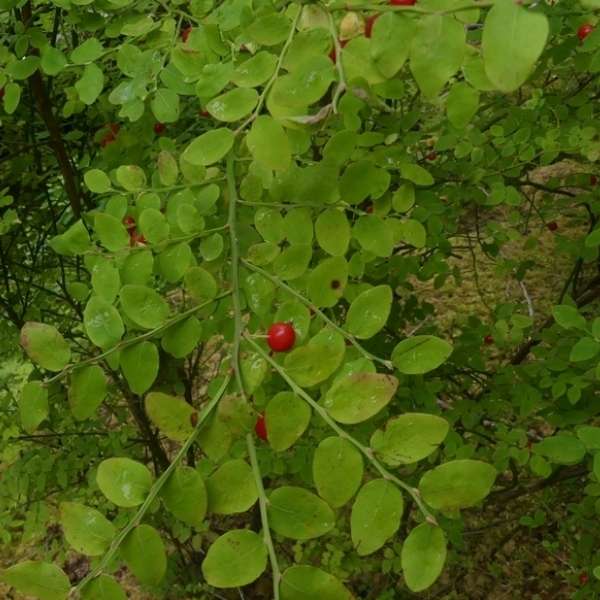
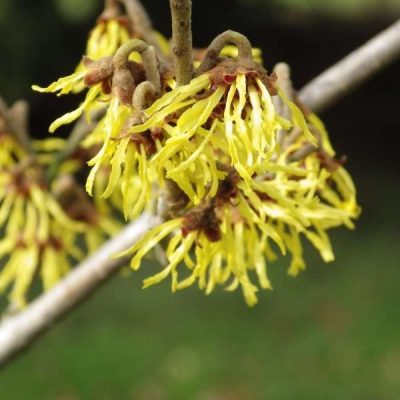
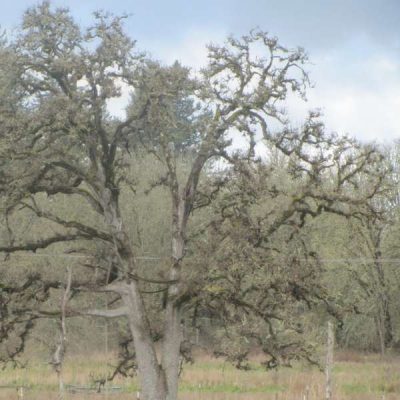
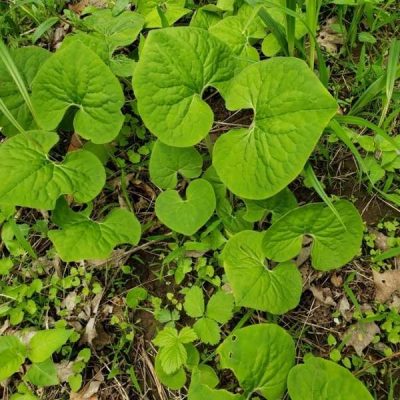
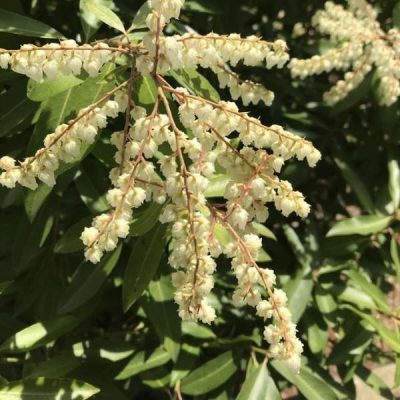
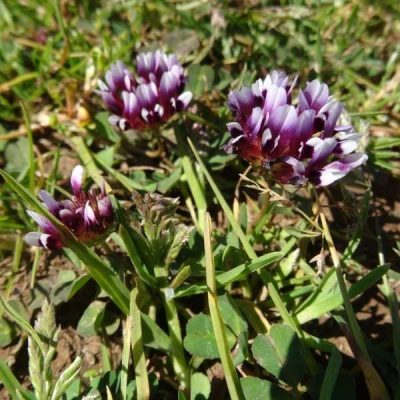
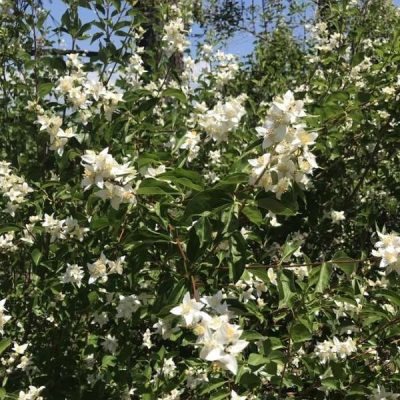
Small, white to pink urn shaped flowers, followed by red, edible (and tasty) berries. Often growing out of rotting stumps with salal. Does not transplant easily. Description from Native Plant Guide
Home > Plant Guide >
Scientific Name
Family
Garden Type
Wildlife
Native Plant Region
Light needs
Water Needs
Plant Type
Bloom Color(s)
Height
Width
Months in Bloom
Safe Beneath Power Lines?
We’d like to maintain accurate and robust plant listings. If you see information that is not correct or that could be added to improve the listing, please let us know. Or if you’d like to suggest a plant to add to our plant guide, you can use this form do so. Thank you!

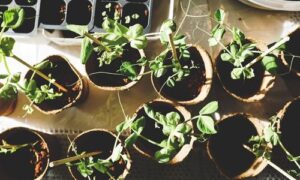
Do you want to plant a tree, create butterfly habitat, or start a vegetable garden but don’t have a yard? Learn how planting strips are a great place to start your own garden!

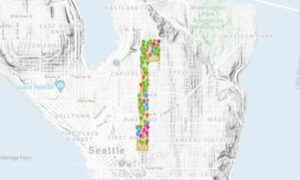
Seattle neighborhoods are full of wildlife and wild things. We’ve compiled a few exercises to help you slow down and appreciate the nature that surrounds you.

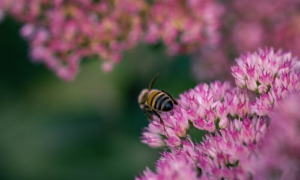
Look closer…and meet the local insects that pollinate the plants around your Seattle neighborhoods. Learn about some of our amazing native pollinating insects.

Learn about container gardening with shrubs, trees, herbs, veggies, perennials, and annuals. A special focus will be on plantings that provide pollinators with food and that encourage bird habitat.

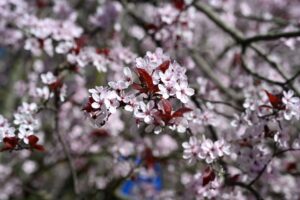
The plants, animals, fungi, microbes, and other natural features that make up “urban habitat” are important to the character, function, and livability of cities.

Check out our list of local wildlife-supporting plant stores and nurseries, organizations, and community science opportunities.
Nature of Your Neighborhood is a collaboration between Birds Connect Seattle, the Capitol Hill EcoDistrict, and the Seattle Bird Conservation Partnership. Our goal is to foster relationships between the people and the nature of their neighborhoods.