
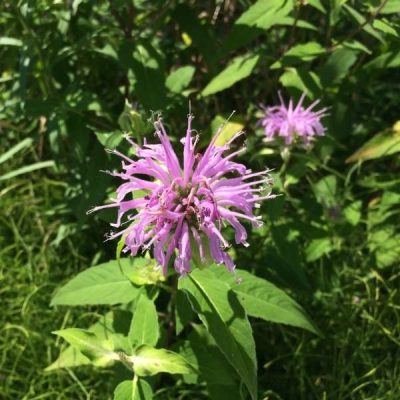
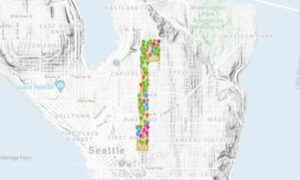
Get involved by sharing and mapping the birds, animals and nature around you to help the community understand the biodiversity in our neighborhood.
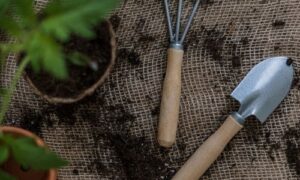
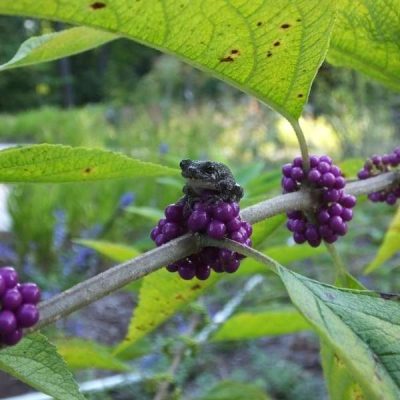
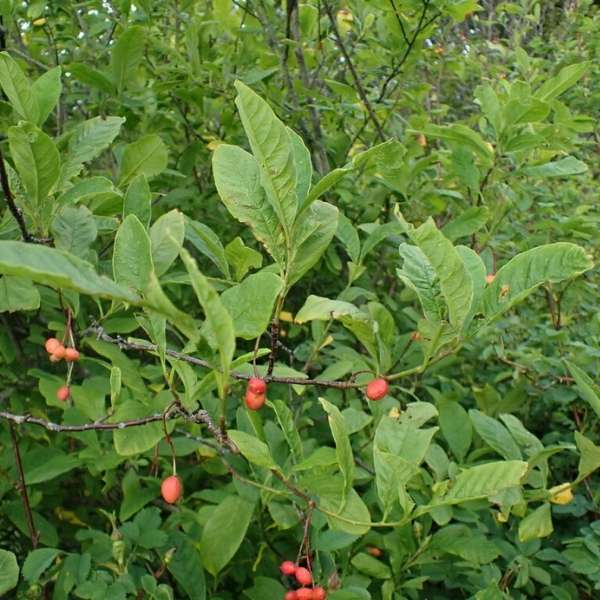
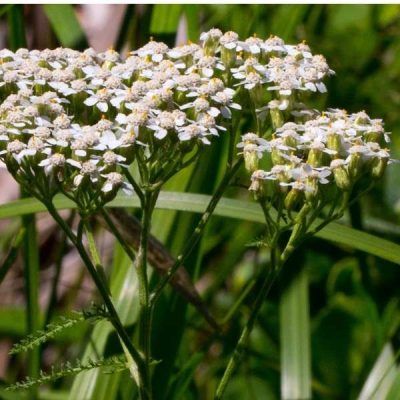
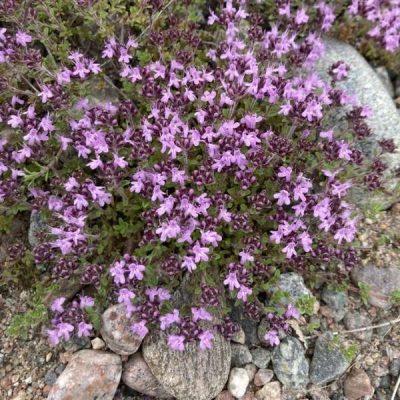
New types of vegetation can attract additional wildlife to an area. You might be surprised how a little green can go a long way!
Despite the urban character and the high population density, a surprising diversity of life exists in Capitol Hill. Explore a few physical aspects of our urban ecosystems and meet some of its more-than-human residents.
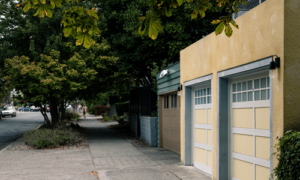
Take a virtual tour of Capitol hill with naturalist and author David B. Williams and gain a new appreciation of the nature of the city and its wild side.
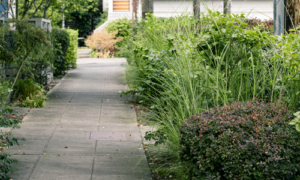
Do you want to plant a tree, create butterfly habitat, or start a vegetable garden but don’t have a yard? Learn how planting strips are a great place to start your own garden!
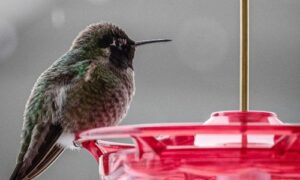
The urban environment presents dangers to wildlife that they are not always adapted to overcome. Reducing urban hazards is an essential part of enhancing habitat in cities. After all, we do not want to lure wildlife into our neighborhoods only to have them fatally collide with our windows.