
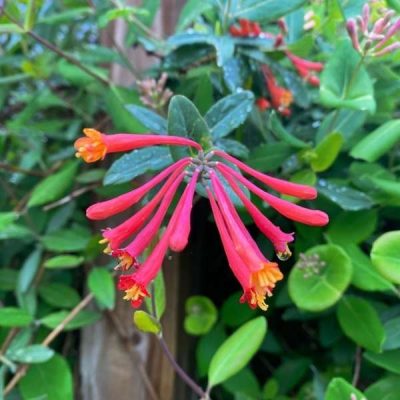
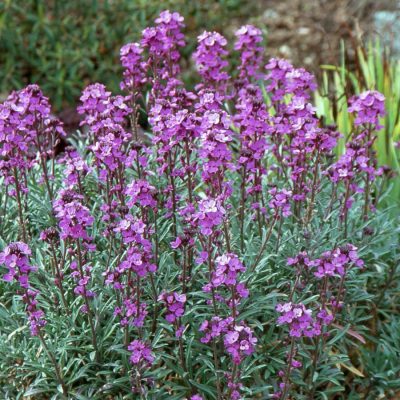
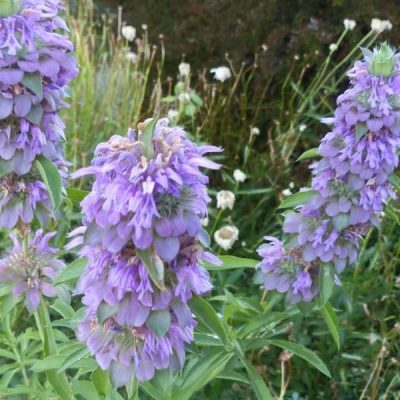
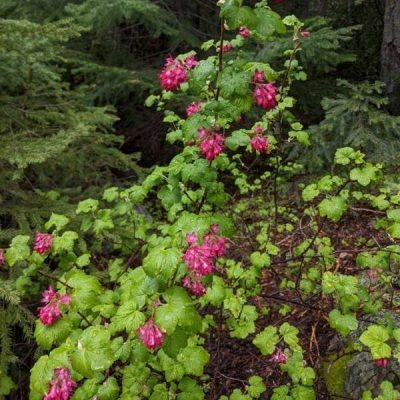
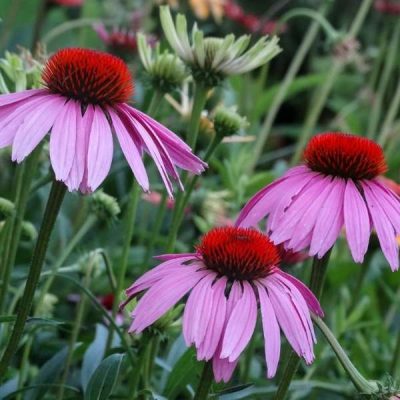
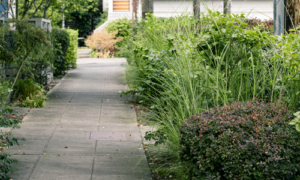
Do you want to plant a tree, create butterfly habitat, or start a vegetable garden but don’t have a yard? Learn how planting strips are a great place to start your own garden!
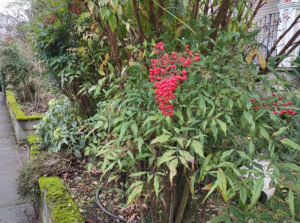
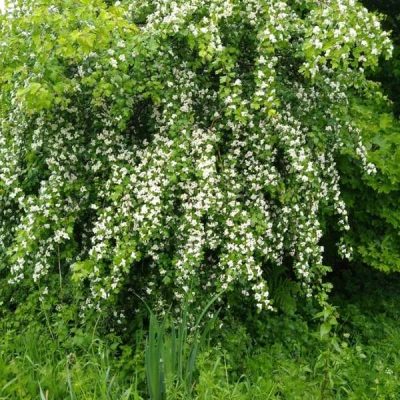
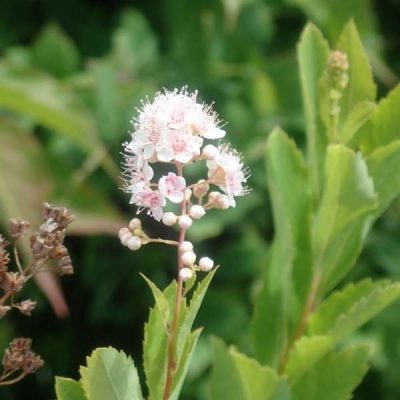
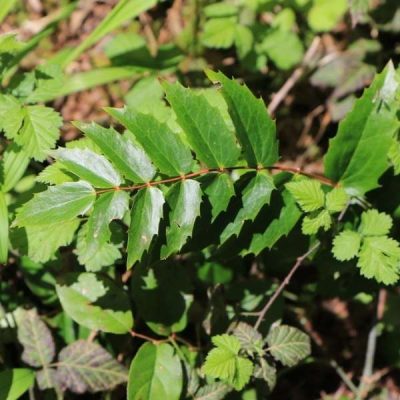
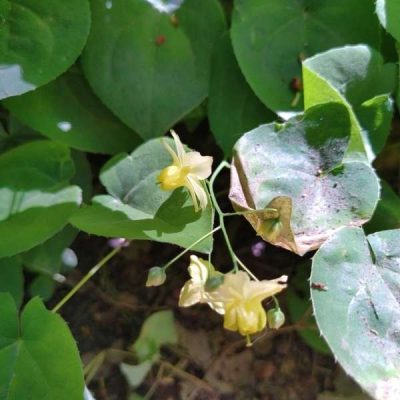
Some introduced plant species can diminish biodiversity. Other plants produce poisons that can harm wildlife. Learn what plants to avoid when figuring out what to plant or remove in your outdoor space.
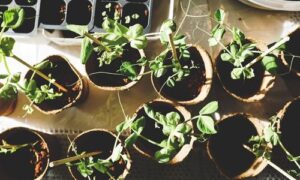
Gardeners can check out seeds for free from the library to plant. Then after harvest, gardeners bring seeds back to the library for others to enjoy in future growing seasons.
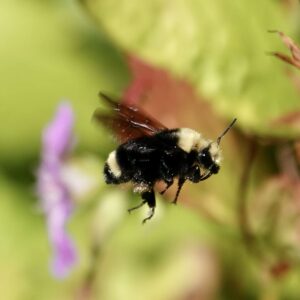
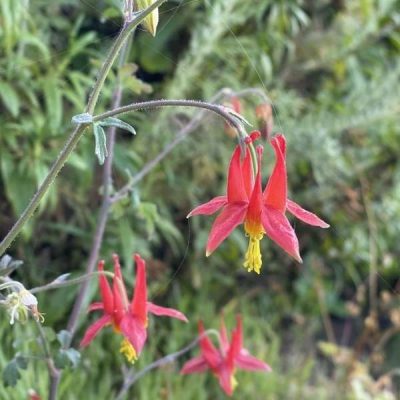
Look closer…and meet the local insects that pollinate the plants around your Seattle neighborhoods. Learn about some of our amazing native pollinating insects.
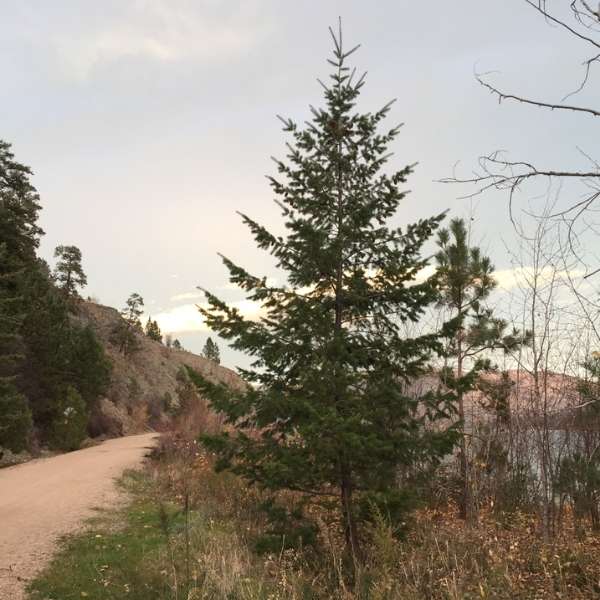
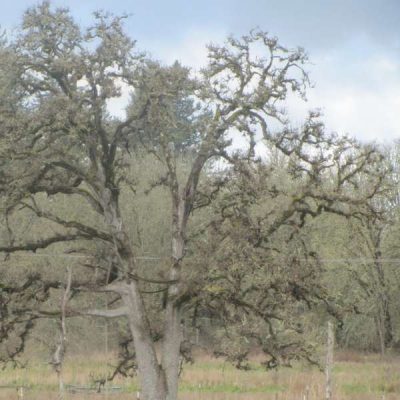
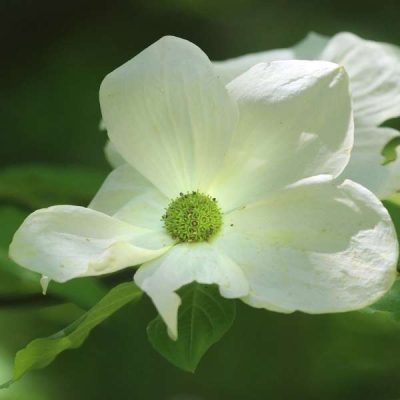
Protecting the trees and other vegetation that what we currently have is perhaps the most important way to ensure biodiversity in cities.
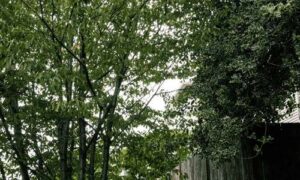
The plants, animals, fungi, microbes, and other natural features that make up “urban habitat” are important to the character, function, and livability of cities.