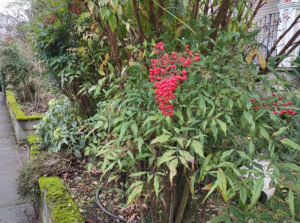

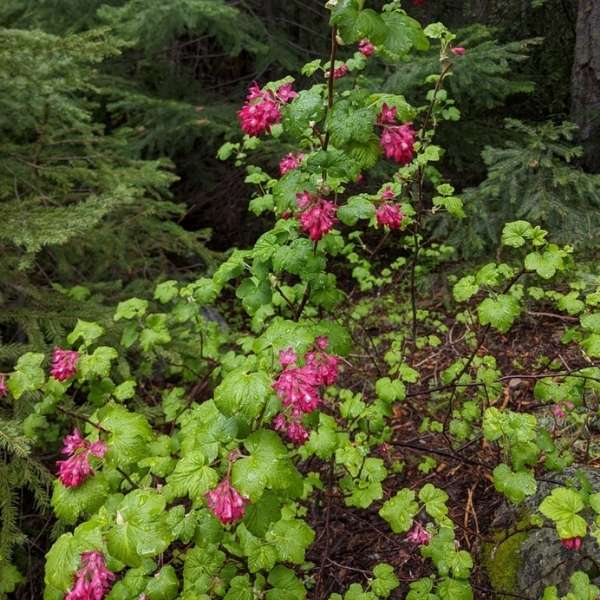
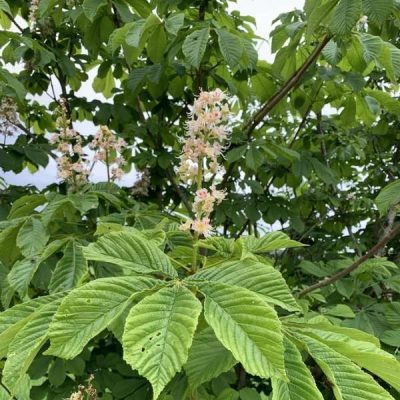
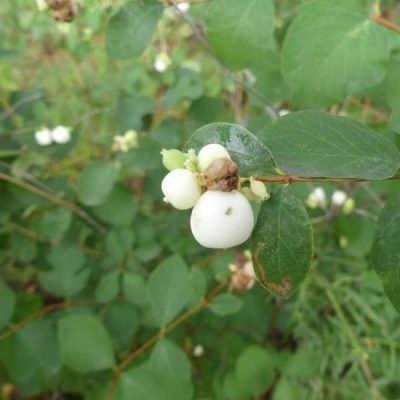
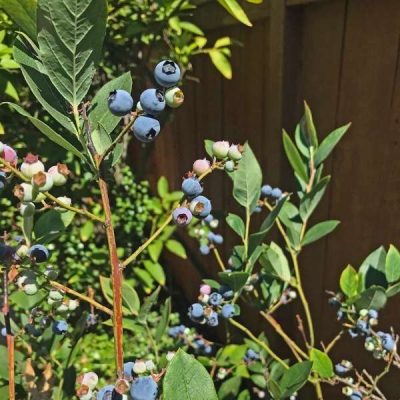
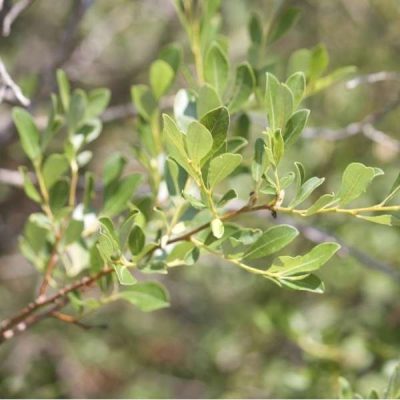
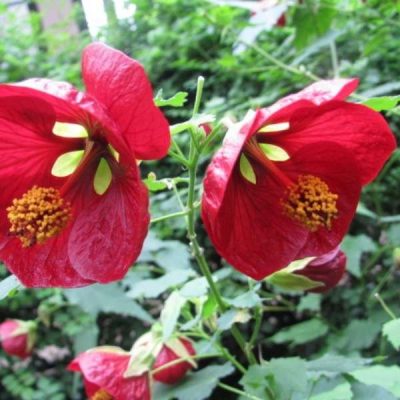
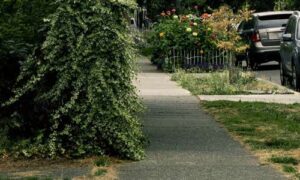
Certainly one of the most beloved and showy of native northwest shrubs, the brilliant display of carmine red flowers in spring are welcomed by gardeners and hummingbirds alike. It does best in rocky, well drained soil in sunny locations and less well in heavy soils and shade. It is very upright, to six feet, in habit and should be used in the middle or back of a border bed. It also works well as a scrambling plant en masse in open forests and on slopes. Description from Native Plant Guide
Home > Plant Guide >
Scientific Name
Family
Garden Type
Wildlife
Native Plant Region
Light needs
Water Needs
Plant Type
Bloom Color(s)
Height
Width
Months in Bloom
Safe Beneath Power Lines?
We’d like to maintain accurate and robust plant listings. If you see information that is not correct or that could be added to improve the listing, please let us know. Or if you’d like to suggest a plant to add to our plant guide, you can use this form do so. Thank you!

Despite the urban character and the high population density, a surprising diversity of life exists in Capitol Hill. Explore a few physical aspects of our urban ecosystems and meet some of its more-than-human residents.

The urban environment presents dangers to wildlife that they are not always adapted to overcome. Reducing urban hazards is an essential part of enhancing habitat in cities. After all, we do not want to lure wildlife into our neighborhoods only to have them fatally collide with our windows.

Learn about container gardening with shrubs, trees, herbs, veggies, perennials, and annuals. A special focus will be on plantings that provide pollinators with food and that encourage bird habitat.

Three inspiring local food justice practitioners will share how their work in urban farming improves access to healthy foods, fosters relationships to land, and builds community.

New types of vegetation can attract additional wildlife to an area. You might be surprised how a little green can go a long way!

Seattle neighborhoods are full of wildlife and wild things. We’ve compiled a few exercises to help you slow down and appreciate the nature that surrounds you.
Nature of Your Neighborhood is a collaboration between Birds Connect Seattle, the Capitol Hill EcoDistrict, and the Seattle Bird Conservation Partnership. Our goal is to foster relationships between the people and the nature of their neighborhoods.