
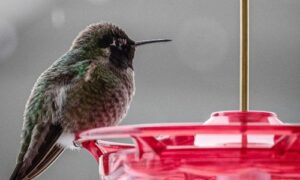
The urban environment presents dangers to wildlife that they are not always adapted to overcome. Reducing urban hazards is an essential part of enhancing habitat in cities. After all, we do not want to lure wildlife into our neighborhoods only to have them fatally collide with our windows.
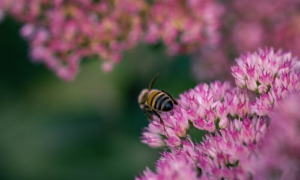
This workshop will guide you through the process and materials needed to help you decide if Mason Bees are right for you and your garden, whether you have a small deck or an open garden.
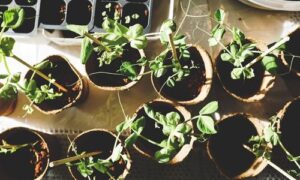
Gardeners can check out seeds for free from the library to plant. Then after harvest, gardeners bring seeds back to the library for others to enjoy in future growing seasons.
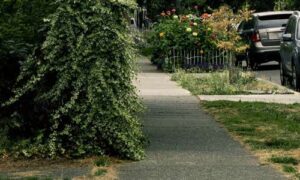
Start a garden in a planting strip along the street. Explore our interactive corridor map, find what to grow, and start nurturing today.
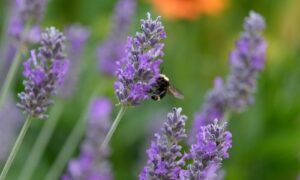
Check out our list of local wildlife-supporting plant stores and nurseries, organizations, and community science opportunities.
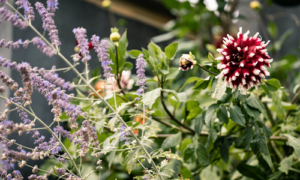
Learn about container gardening with shrubs, trees, herbs, veggies, perennials, and annuals. A special focus will be on plantings that provide pollinators with food and that encourage bird habitat.