
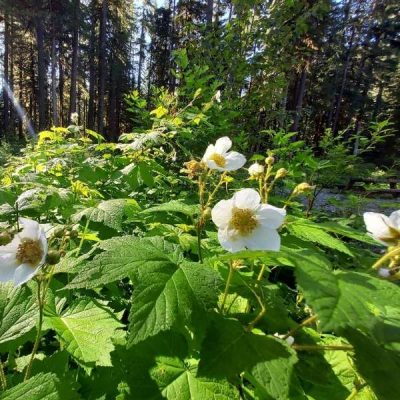
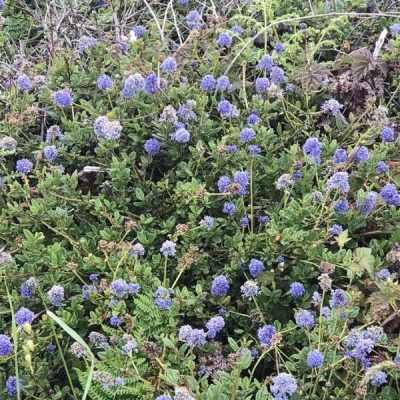
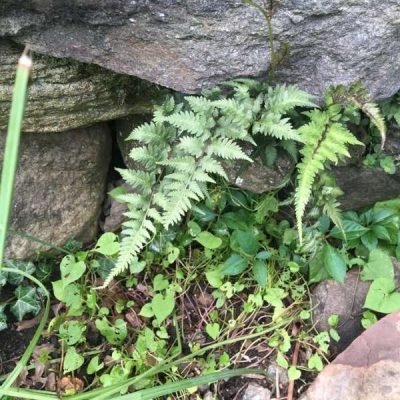
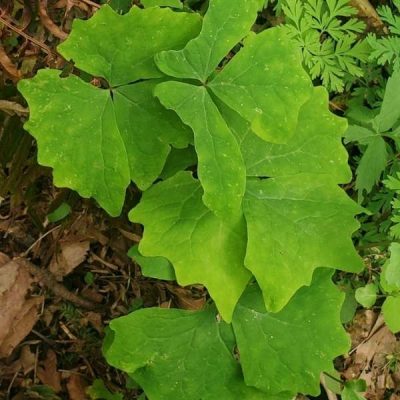
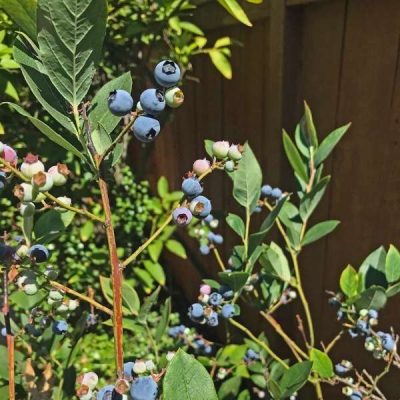
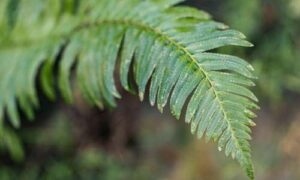
Despite the urban character and the high population density, a surprising diversity of life exists in Capitol Hill. Explore a few physical aspects of our urban ecosystems and meet some of its more-than-human residents.
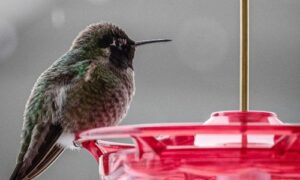
The urban environment presents dangers to wildlife that they are not always adapted to overcome. Reducing urban hazards is an essential part of enhancing habitat in cities. After all, we do not want to lure wildlife into our neighborhoods only to have them fatally collide with our windows.
Seattle neighborhoods are full of wildlife and wild things. We’ve compiled a few exercises to help you slow down and appreciate the nature that surrounds you.
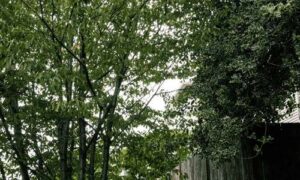
The plants, animals, fungi, microbes, and other natural features that make up “urban habitat” are important to the character, function, and livability of cities.
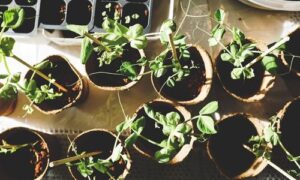
Gardeners can check out seeds for free from the library to plant. Then after harvest, gardeners bring seeds back to the library for others to enjoy in future growing seasons.
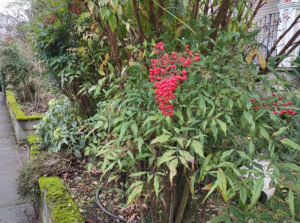
Some introduced plant species can diminish biodiversity. Other plants produce poisons that can harm wildlife. Learn what plants to avoid when figuring out what to plant or remove in your outdoor space.